Responsible Sourcing
Reviewing available information about agricultural origin, farming practices, raw material handling and supplier documentation.

A practical approach to responsible sourcing, efficient packaging, resource management, product protection and international transportation.
Sustainability in refined hazelnut oil supply involves more than the finished oil. Agricultural production, processing, resource consumption, packaging, warehousing and transportation all influence the overall environmental and social impact of the product.
Atlas Global Trading focuses on practical purchasing and supply decisions for refined hazelnut oil supplied in industrial and wholesale quantities.
We recognize the importance of discussing responsible agricultural practices, resource efficiency, appropriate packaging, product protection and transparent commercial documentation.
Our approach is to examine relevant information and communicate clearly about what can be confirmed. We do not describe a product or shipment as environmentally superior without adequate supporting evidence.
Environmental performance can vary by agricultural origin, processing facility, packaging arrangement, transportation route and final destination. These differences matter when evaluating individual orders.
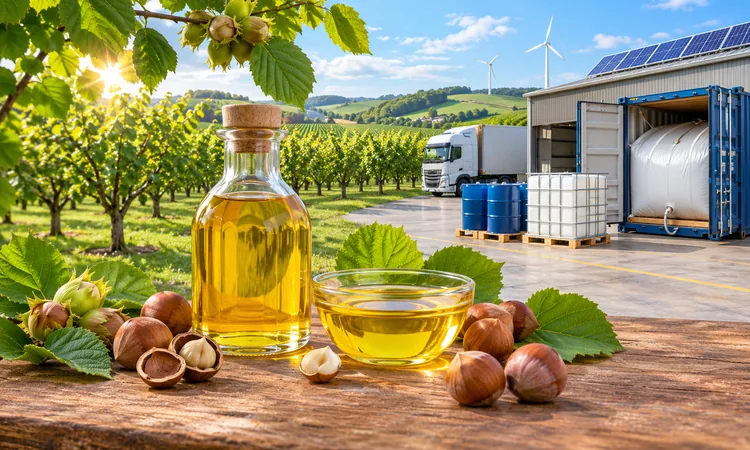
These areas help guide meaningful discussions about environmental and social responsibility in the refined hazelnut oil supply chain.
Reviewing available information about agricultural origin, farming practices, raw material handling and supplier documentation.
Considering the use of water, electricity, fuel and other resources during agricultural production and oil processing.
Selecting suitable storage, packaging and transport methods to limit contamination, leakage and avoidable losses.
Evaluating packaging formats in relation to shipment quantity, handling requirements, material use and disposal.
Considering shipment utilization, distance, transport mode and delivery arrangements when planning industrial supply.
Communicating verified information and identifying where additional evidence, testing or supplier confirmation is necessary.
The agricultural stage is an important part of the supply chain because hazelnut production depends on soil, water, local ecosystems, farm inputs and agricultural labor.
Responsible agricultural management is relevant to the long-term availability and quality of hazelnuts. The following topics are useful when evaluating sourcing practices. They should not be interpreted as verified claims about every farm supplying a particular oil shipment.
Healthy soils support hazelnut cultivation and contribute to the long-term productivity of agricultural land.
Relevant management considerations include soil erosion, nutrient balance, organic matter, ground cover and appropriate fertilizer application.
Maintaining soil structure and avoiding unnecessary degradation are important considerations in orchard management.
Water requirements vary according to rainfall, climate, soil conditions and orchard management.
Where irrigation is required, appropriate scheduling and efficient water application can help limit unnecessary consumption.
Water-related environmental impact should be assessed using relevant location-specific information rather than generalized assumptions.
Agricultural landscapes interact with surrounding ecosystems, including vegetation, beneficial insects, wildlife and soil organisms.
Responsible management may consider habitat protection, erosion control, pest management and the effects of agricultural inputs on nearby environments.
Agricultural inputs should be considered in relation to crop protection requirements, environmental impact and applicable legislation.
Integrated pest management is one approach that can help guide pest monitoring, treatment decisions and responsible input use.
Buyers may request relevant residue documentation when required for food safety or destination-market compliance.
Hazelnut production is affected by seasonal conditions, agricultural yields, weather events and market demand. These factors may influence raw material availability and commercial planning.
For buyers requiring regular industrial quantities, procurement planning should consider expected consumption, preferred shipment periods and the availability of suitable production lots.
Agriculture, oil extraction and refining can involve the use of water, heat, electricity and other resources.
Depending on the equipment and processing method, water may be used for cleaning, utility operations or selected refining stages.
Opportunities for improvement can include monitoring consumption, avoiding leaks, maintaining equipment and evaluating process-specific water use.
Wastewater quality and treatment requirements depend on the processes involved and applicable environmental rules.
Oil processing may require electrical and thermal energy for extraction, refining, heating, cooling, pumping and other operations.
Equipment maintenance, heat management, insulation and efficient operating procedures can be relevant to energy performance.
Actual energy consumption should be measured at the relevant facility before making numerical efficiency or emissions claims.
Relevant indicators can include water use by production process, reuse practices and wastewater management.
Monitoring electricity use may help identify equipment and operations with significant energy demand.
Heating and cooling demand can be important in oil processing and should be evaluated for the relevant production system.
Processing quality and resource management both deserve attention when reviewing refined hazelnut oil for industrial supply.
Refined hazelnut oil is produced through processing and refining of hazelnuts. The exact equipment and manufacturing stages depend on the facility and production method.
Industrial refining can involve operations intended to reduce free fatty acids, impurities, unwanted odor compounds and other substances affecting product characteristics.
Environmental management considerations may include process efficiency, water use, energy consumption, waste handling, equipment maintenance and the management of processing materials.
Effective process monitoring can help identify causes of excess material consumption, unnecessary handling and production losses.
Appropriate maintenance and operating procedures are also relevant to reliable production.
Product losses can occur through spills, unsuitable storage, contamination and avoidable handling errors.
Preventing these problems helps protect the resources already used in producing and refining the oil.
Hazelnut processing can generate shells, skins, press materials or other residues, depending on the manufacturing process.
Some materials may have potential secondary uses, but their suitability depends on composition, contamination, available processing technology and relevant regulations.
Waste prevention, lawful handling and appropriate disposal or recovery arrangements are important considerations for production facilities.
Selecting a suitable bulk packaging format involves product protection, material use, handling, shipment quantity and end-of-life considerations.
Atlas Global Trading offers refined hazelnut oil in bulk supply formats. The best packaging choice depends on the buyer's required quantity, receiving equipment, storage capacity and transportation arrangements.
| Packaging format | Commercial use | Environmental considerations |
|---|---|---|
| 30 kg Drums | Smaller industrial bulk requirements and controlled production handling. | Container material, packaging quantity, pallet utilization and disposal arrangements. |
| 60 kg Drums | Moderate industrial requirements where drum handling is preferred. | Packaging use per delivered quantity, storage efficiency and waste management. |
| 200 kg Drums | Larger industrial production volumes and palletized delivery. | Reduced number of containers compared with smaller packs for the same quantity, subject to material and handling differences. |
| Flexitanks | Large-volume liquid cargo transport in suitable container systems. | Liner materials, loading efficiency, single-use components, product protection and disposal arrangements. |
| Bulk Tankers | High-volume delivery where suitable loading and receiving facilities are available. | Vehicle utilization, cleaning requirements, empty return movements, distance and fuel use. |
A larger container may reduce the number of individual packs required for a shipment. However, this alone does not establish a lower environmental footprint.
Packaging comparisons should consider material production, transport weight, reuse potential, recycling, cleaning requirements, product losses and end-of-life treatment.
The receiving site's operations also matter. A packaging format that is efficient for one manufacturing facility may not be appropriate for another.
Distance, transport mode, shipment utilization and handling arrangements influence the environmental impact of international refined hazelnut oil trade.
Refined hazelnut oil may be shipped in drums, flexitank systems or bulk tanker arrangements, depending on order size, destination and available logistics infrastructure.
Efficient logistics planning can consider shipment consolidation, delivery frequency, suitable routing and appropriate vehicle or container selection.
The quantity transported relative to available vehicle or container capacity can influence transport efficiency.
Distance is relevant to fuel use and freight emissions, although actual results depend on transport mode and operating conditions.
Suitable packaging, hygiene checks and careful handling help prevent leakage, contamination and avoidable product loss.
Coordination between shipping arrangements and receiving schedules may reduce unnecessary storage and handling.
Tankers, containers, hoses and transfer equipment must be appropriate for the product and intended use.
Clear shipment documents help buyers coordinate receipt, traceability and inventory handling.
A meaningful emissions comparison requires shipment-specific information. Relevant data may include cargo weight, origin, destination, route, transport mode, fuel consumption and vehicle utilization.
Transport emissions should not be estimated solely from the packaging format. Container repositioning, handling and empty journeys may also affect results.
Where a buyer needs transport emissions information, the calculation boundary, methodology and source data should be agreed before numerical figures are reported.
Traceability supports product identification, quality management and communication between suppliers, traders and industrial buyers.
The level of traceability available for an individual shipment depends on the production and supply arrangements.
Relevant information may include production lot references, product identification, origin documentation, quantity, packaging and shipment records.
Buyers requiring detailed agricultural traceability or sustainability reporting should define their requirements before confirming an order.
| Information category | Purpose | Purchasing consideration |
|---|---|---|
| Product identification | Confirms the material being purchased. | Review product name and grade. |
| Production lot | Supports product tracking and stock management. | Confirm batch references and related documentation. |
| Origin information | Supports sourcing and trade documentation. | Define the origin information required. |
| Quality documentation | Supports raw material acceptance. | Request available specifications and analysis reports. |
| Packaging details | Supports logistics and material management. | Confirm pack format and handling requirements. |
| Environmental information | Supports customer sustainability assessments. | Confirm data availability and verification status. |
Industrial buyers may have supplier assessment procedures covering environmental management, labor practices, agricultural sourcing, packaging and compliance.
Common requirements may include questionnaires, declarations, policy documents, audit information or certification records.
The availability and validity of these documents must be verified for the relevant supplier, operation and shipment.
Environmental concerns are one part of responsible sourcing. Agricultural supply chains also raise important questions about working conditions and business practices.
Relevant social responsibility topics can include worker health and safety, lawful employment, fair treatment, child labor prevention, working hours and appropriate grievance procedures.
The presence of a sourcing policy or supplier declaration does not by itself establish compliance at every farm or production site.
Responsible purchasing assessments should consider the available evidence, applicable laws, supplier relationships and the extent of independent verification.
Agricultural and industrial operations involve equipment, chemicals, transport and other occupational risks.
Appropriate safety procedures, training and protective measures are important areas for supplier assessment.
Clear purchasing terms, accurate documents, lawful business conduct and respectful communication support responsible trading relationships.
Buyers may include these matters in their supplier qualification procedures.
Useful environmental comparisons depend on consistent data, clearly defined boundaries and suitable measurement methods.
Life cycle assessment, commonly abbreviated as LCA, is a method used to evaluate environmental impacts across defined stages of a product's life cycle.
For refined hazelnut oil, a study may consider agricultural production, extraction, refining, packaging, transportation and end-of-life processes, depending on its scope.
Different system boundaries can produce different results. A comparison is meaningful only when the assumptions and methods are compatible.
A product carbon footprint generally evaluates greenhouse gas emissions associated with the defined life cycle of a product.
Such an assessment requires data about materials, energy, farming, processing, transport and other relevant activities.
Atlas Global Trading does not publish a verified product carbon footprint figure on this page.
| Environmental topic | Potential measurement | Important limitation |
|---|---|---|
| Greenhouse gas emissions | CO₂-equivalent emissions within a defined boundary. | Requires consistent activity data and calculation methods. |
| Water consumption | Water used or consumed by a defined operation. | Local water scarcity and measurement boundaries matter. |
| Energy consumption | Measured electricity and thermal energy use. | Facility-specific operating information is necessary. |
| Packaging materials | Material type and mass per delivered quantity. | Reuse, recycling and product losses also matter. |
| Transport efficiency | Freight activity and emissions within a defined scope. | Depends on route, utilization and transport mode. |
| Waste generation | Waste mass and management route. | Recycling and recovery claims require evidence. |
Environmental considerations are most useful when incorporated into practical purchasing and supply planning.
A buyer purchasing refined hazelnut oil in bulk should consider product specifications, expected usage, packaging, logistics and documentation as part of the same procurement decision.
Procurement decisions may involve several competing factors, including price, lead time, product quality, shipping distance, packaging availability and environmental requirements.
The lowest packaging weight does not always mean the lowest total cost or environmental impact. Similarly, the largest possible shipment may not suit a buyer with limited storage capacity.
A suitable purchasing arrangement should account for the buyer's actual operational requirements.
Manufacturers using refined hazelnut oil regularly may benefit from planning their expected volumes and preferred delivery schedules in advance.
Such planning helps support discussions about packaging, shipment frequency, stock management and suitable logistics arrangements.
Actual supply availability, delivery terms and pricing must be confirmed for each commercial agreement.
Our approach centers on useful information, realistic planning and careful handling of bulk refined hazelnut oil.
We aim to describe product specifications and commercial arrangements clearly, without overstating environmental performance.
We discuss bulk formats according to customer requirements, shipment quantity and practical handling needs.
We recognize the importance of preventing leakage, contamination and avoidable product losses during supply.
We encourage customers to identify technical, regulatory and sourcing documentation requirements before ordering.
We consider the practical relationship between order quantity, packaging, delivery and receiving capacity.
We distinguish general industry practices from verified information about a particular shipment or supplier.
Looking for refined hazelnut oil in industrial quantities? Share your packaging preference, required volume, destination, technical specifications and relevant sourcing documentation requirements. Our team can review your inquiry and confirm available information.
Contact Our TeamAnswers to common questions about sustainability, responsible sourcing and bulk refined hazelnut oil supply.
It involves reviewing agricultural practices, resource management, labor conditions, oil processing, traceability, packaging and transport. The evidence available for each supplier and transaction must be verified separately.
Bulk packaging can reduce the number of individual containers required for a given quantity. However, the overall impact depends on material use, transport, reuse, recycling and product protection. A proper comparison requires relevant data.
No third-party sustainability certification is claimed on this page. Buyers can request confirmation of relevant documentation or certifications where they are available and applicable.
Yes. Buyers can include origin and traceability requirements in their inquiries. The level of available information must be confirmed for the relevant transaction.
Transport distance, shipping mode, cargo utilization, packaging weight, handling and product losses can influence overall environmental impact. Reliable comparisons require shipment-specific data.
We do not publish a verified product carbon footprint or universal emissions reduction figure on this page. Such figures require defined measurement boundaries and reliable supporting data.
Preventing contamination, leakage, oxidation and avoidable losses helps protect the agricultural, processing and transport resources already invested in the oil.
Buyers may request available information about origin, processing, traceability, packaging, environmental reporting and applicable certifications. The availability and scope of documents should be confirmed before placing an order.